

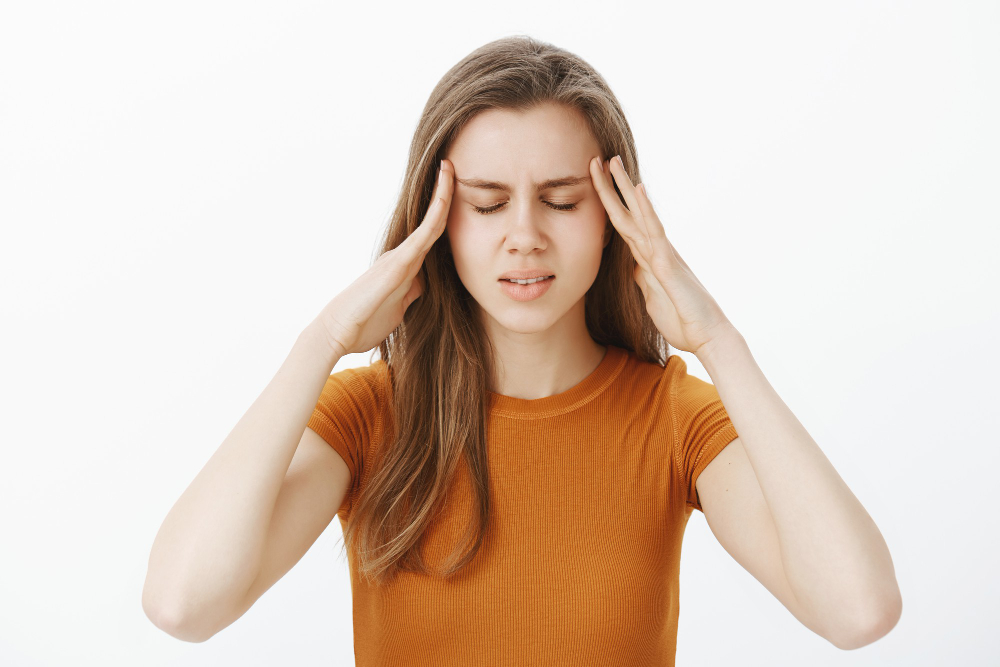
What is a Headache?
A headache is a common health problem. It causes pain or discomfort in the head, scalp, or neck. Many people experience headaches at some point in their lives. Sometimes, headaches are mild and go away quickly. Other times, they can last longer and affect daily life. Because headaches have many causes, it is important to understand them. This helps you find the right treatment and know when to seek help.
Common Symptoms of Headache
Headaches can feel different for each person. However, some symptoms are common. For example, you may notice:
Sometimes, headaches come with other signs. For instance, you might feel tired or have trouble focusing. If you notice new or severe symptoms, it is wise to pay attention.
Causes and Types of Headache
There are many headache causes. Some are simple, while others are more serious. Understanding the types of headache can help you manage them better.
Primary Headaches
Secondary Headaches
Because headaches can have many causes, it is important to notice any changes in your symptoms.
How Headaches are Diagnosed
Doctors use several steps to diagnose headaches. First, they ask about your symptoms and medical history. Next, they may do a physical exam. Sometimes, they will ask about your daily habits, stress, or sleep patterns. If needed, doctors may order tests like blood work or brain scans. These tests help rule out serious problems. However, most headaches do not need special tests. Your doctor will decide what is best for you.
Treatment Options for Headache
Treatment depends on the type and cause of your headache. For mild headaches, simple steps often help. For example, you can:
For frequent or severe headaches, your doctor may suggest prescription medicine. Sometimes, they may recommend lifestyle changes or therapy. In rare cases, treating an underlying health problem is needed. Always follow your doctor’s advice for headache treatment.
Lifestyle Tips and Prevention
There are ways to help prevent headaches. Although not all headaches can be avoided, these tips may reduce how often they happen:
Because triggers can be different for everyone, it helps to keep a headache diary. This can show patterns and help you avoid triggers. For more tips, the World Health Organization and CDC offer helpful resources.
When to Seek Medical Help
Most headaches are not dangerous. However, some signs mean you should see a doctor right away. For example, seek help if you have:
Because some headaches can signal serious health problems, it is always better to be safe. If you are unsure, talk to your healthcare provider.
Conclusion
Headaches are common and can have many causes. Although most are not serious, they can affect your daily life. By understanding the symptoms, causes, and treatment options, you can manage headaches better. Remember, healthy habits and knowing your triggers can help prevent headaches. If you have concerns or severe symptoms, consult a healthcare professional for personalized advice on managing headaches.