

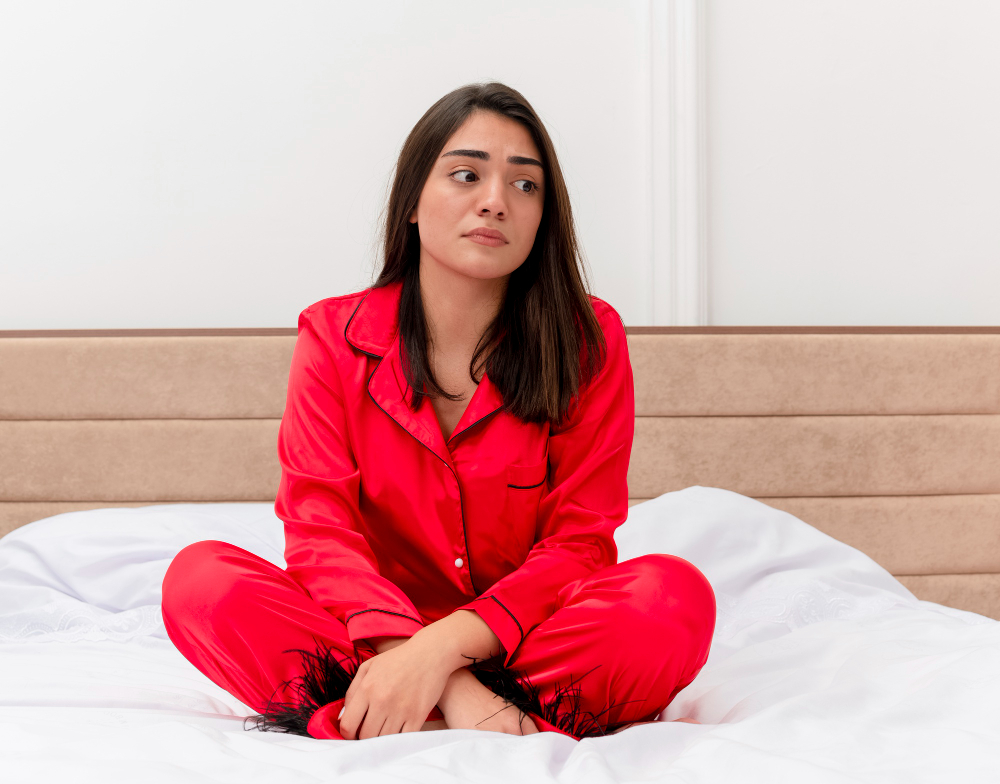
What Are Mood Swings During Periods?
Mood swings during periods are sudden changes in how you feel. For example, you may feel happy one moment and sad or angry the next. Many people notice these mood changes before or during their menstrual cycle. In fact, mood swings during periods are very common. They can affect daily life, relationships, and work. However, understanding why they happen can help you manage them better.
Common Symptoms and How They Feel
During your period, you may notice several emotional changes. These symptoms can be mild or strong. Some common signs include:
Sometimes, these feelings come and go quickly. Other times, they may last for a few days. But for most people, the symptoms get better after their period ends.
Main Causes of Mood Swings During Periods
There are several reasons why period mood changes happen. The main causes include:
According to the World Health Organization (WHO), these factors often work together. Therefore, it is important to look at your whole lifestyle, not just your hormones.
How Are Mood Swings Diagnosed or Recognized?
Doctors usually diagnose mood swings during periods by asking about your symptoms. They may want to know:
Sometimes, keeping a mood diary can help. You write down your feelings each day and note when your period starts. This record can show if your mood swings follow a pattern. In rare cases, your doctor may check for other health problems. But most of the time, a simple talk and a diary are enough.
Evidence-Based Treatment and Management Options
There are several ways to treat and manage mood swings during periods. Some options include:
According to the CDC, most people feel better with simple changes. However, some may need extra help from a doctor.
Practical Lifestyle Tips to Manage Mood Swings
There are many simple steps you can try at home. For example:
With these tips, many people notice fewer mood swings during periods. Still, it may take time to see changes.
Prevention Strategies
While you cannot always prevent hormonal mood swings, you can lower your risk. Here are some prevention tips:
By following these steps, you may reduce the impact of period mood changes. However, if symptoms are severe, seek medical advice.
Conclusion
Mood swings during periods are common and often linked to hormones, stress, and lifestyle. But with the right steps, you can manage them well. Consult a healthcare professional for personalized advice on managing mood swings during periods.